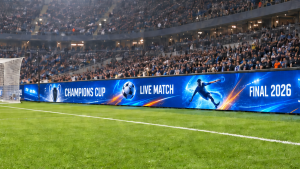
Indoor arena LED installations must serve multiple audiences: spectators in lower seats, fans in upper tiers, and television viewers. Each group has different viewing requirements that influence display design.
Sight Line Analysis
Proper sight line analysis ensures all spectators can see the display without obstruction. This involves mapping seat positions, calculating viewing angles, and determining optimal display placement and size.
Viewing Angle Requirements
Arena spectators view screens from extreme angles – up to 160° horizontally in some seating sections. Wide-viewing-angle LEDs and careful panel orientation are essential for uniform image quality.
Multi-Display Coordination
Most arenas use multiple displays (center-hung, end zone, ribbon boards) that must show synchronized content. The control system must manage multiple outputs with frame-accurate synchronization.

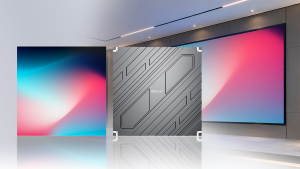 SG Steady GlowIndoor Fixed LEDP1.25 – P4
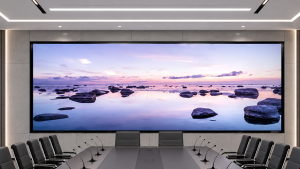 PL Pure LightIndoor Fixed LEDP1.25 – P1.86COB Fine Pitch LED→
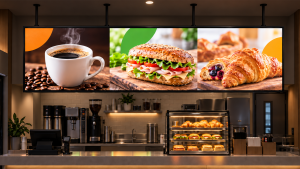 OG Obsidian GlowCOB Fine Pitch LEDP0.7 – P1.86View all product series →Not sure which series fits your project? Get a Recommendation →