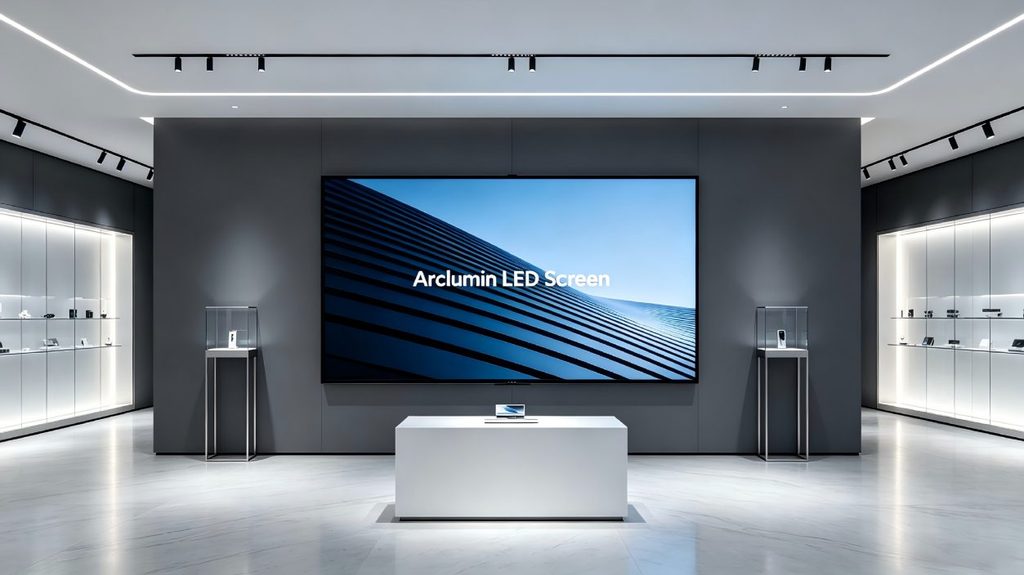
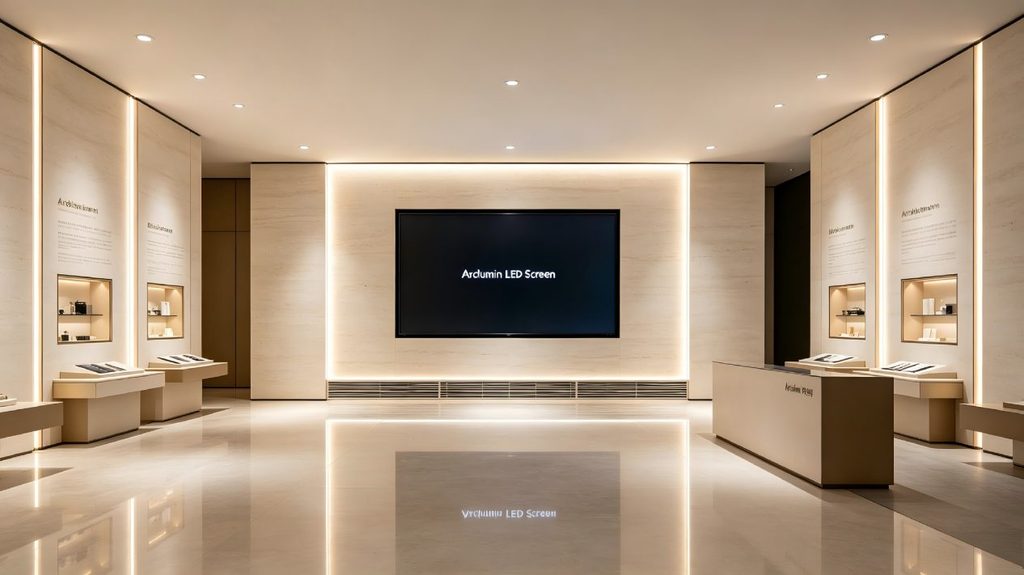
How to Choose the Right LED Display for Your Exhibition Hall
Published 2026-07-29 · Updated 2026-09-11 · By Arclumin Team
Your hall size, viewing distance and budget decide the right LED display. This guide shows how to match pitch, size and control to your exhibition hall.
Choosing the right LED display for your exhibition hall can feel overwhelming with so many specifications and options on the market. Whether you are upgrading an existing showroom or planning a new exhibition space, understanding the key parameters will help you make a confident decision. This guide walks you through the essential factors: pixel pitch, screen size, resolution, installation methods and control systems. If you are unsure how to select the right LED display, follow along to learn what matters most for your venue.
In an exhibition hall, the display is often the first thing visitors notice, so image quality, brightness and seamless integration with the venue design all matter. A well-chosen screen can turn a plain wall into an engaging centrepiece that draws visitors in and communicates your brand message effectively.
Before making a decision, you need to clarify your core needs so that we can better match the corresponding model.
Question
For example
What are the dimensions of your showroom?
6 m wide x 3.5 m high
What do you mainly use this screen for?
Play promotional videos, display data, and provide interactive experiences.
What is the typical distance guests usually stand at?
1-1.5 m
What is your budget?
$200,000
Once you have determined your needs, we can start comparing options.
How to Determine the Right Pixel Pitch
Pixel pitch (dot spacing) is the most critical parameter, directly determining viewing comfort and cost. As a general rule, the optimal viewing distance in meters is roughly equal to the pixel pitch multiplied by one thousand, then converted to meters. For example, a P1.53 screen works well at viewing distances of 1.5 meters or more.
Exhibition Hall Type
Closest viewing distance
Recommended P-value
Use cases
Small showroom (< 50 ㎡)
1-3 m
P1.53
Mini product display area, allowing you to see the details up close.
Medium-sized showroom (50-300 ㎡)
3-6 m
P1.86
Promotional videos and charts are played on the main wall of the exhibition hall.
Large exhibition hall (> 300㎡)
5-12 m
P2.0
Large exhibition halls, such as museums, etc.
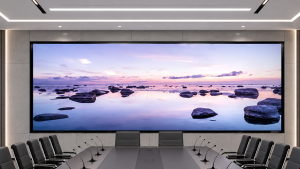
Our indoor fixed LED displays, such as the SG Steady Glow and OG Obsidian Glow series, offer pixel pitches ranging from P1.25 to P2.5, making them ideal for exhibition halls of various sizes. You can explore the full specifications on our indoor fixed LED display product page.
Exhibition halls often have strong ambient light from overhead lighting and large windows, so you should also confirm the screen brightness output can keep content legible in those conditions. Higher brightness ensures promotional videos and product images stay vivid even when the hall is fully lit.
Screen Size and Resolution
1. Dimension Calculation
– Based on the 16:9 golden ratio: suitable for promotional videos, product images and data displays.
– Reserve the installation frame according to the wall space (usually 10 cm on each side).
2. Resolution
LED displays are not the same as televisions, and the concepts of 2K/4K are generally not directly applied. However, you can communicate directly with a salesperson, who will calculate the total number of pixels on the screen based on your desired resolution, size, and P-value to match your needs.
Resolution Standard
Points (resolution)
Description
Standard Definition 480P
640 x 280
It is sufficient for displaying videos and pictures, but not ideal for detailed exhibition content.
720P HD
1280 x 720
Videos, images, and text are all fine.
Ultra HD 1080P (2K)
1920 x 1080
Compared to TVs, it is called 2K.
Ultra HD 4K
3840 x 2160
Maximum clarity for close-up product details and high-resolution promotional content.
Installation Method Selection
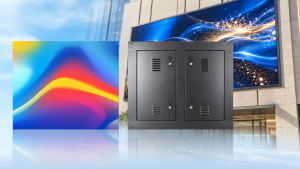
For small exhibition halls, wall-mounted installation is the most popular option. It saves space and is easy to maintain, making it suitable for venues with limited floor area.
For a more integrated look, recessed installation allows the screen to sit flush with the wall, seamlessly blending into the venue decor and creating a beautiful, sophisticated appearance.
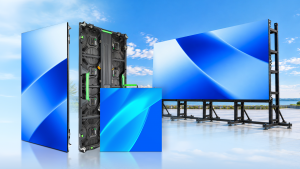
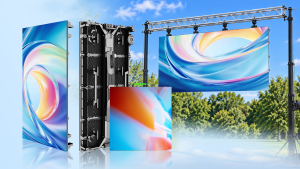
For temporary exhibitions or travelling shows, a floor-standing or truss-mounted installation offers flexibility and can be relocated as needed. This approach is popular with rental LED displays that are assembled on site and taken down after the event.
Control System: Video Processor vs Media Player
A media player box is essentially a simplified control unit. It is compact, affordable and easy to set up, making it a good choice for small exhibition halls that only need to loop promotional videos or static images.
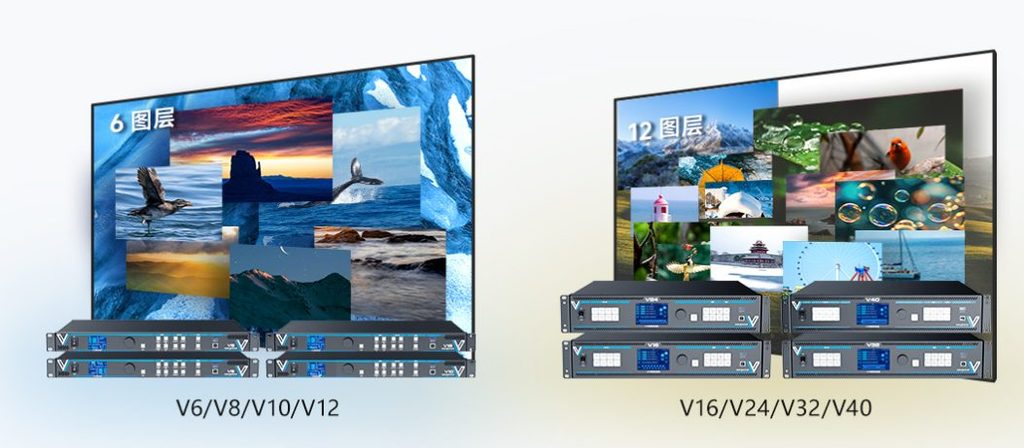
A video processor, on the other hand, is a professional-grade device designed for demanding exhibition environments. It can connect to multiple input sources simultaneously, such as computers, media players and interactive kiosks. It supports split-screen functionality, allowing you to display promotional content and interactive demos at the same time. For organizations that rely heavily on multimedia presentations and visitor engagement, a video processor is the better long-term investment.
Both control options can be scaled up later, but a video processor gives you more room to add input sources and display zones as your exhibition grows. If you plan to expand the hall or add interactive elements later, choosing a processor with spare input ports from the start will save a future upgrade.
Key Takeaways for Your Purchase
When selecting a suitable LED screen for your exhibition hall, start by clarifying the hall size, primary function, viewing distance and budget, then match each requirement step by step. The pixel pitch is of utmost importance: choose a smaller P value when visitors stand close to the screen and want to see product details, and a larger P value when the viewing distance is greater. The screen should follow a 16:9 aspect ratio to fit promotional videos and product images naturally. Always leave adequate clearance around the installation area for mounting and maintenance access.
Service life and product quality cannot be ignored either. The core LED lamp beads determine screen stability over time. Industrial-grade lamp beads feature a lower light decay rate, meaning brightness will not drop sharply after several years of daily use. Always ask suppliers for lamp-bead brand information and certification details in their quotations.
Finally, do not just compare unit prices. Make sure the quote includes installation, setup, accessories and after-sales service. Configure the display according to your specific needs to choose the most suitable screen for your exhibition hall.
Need help selecting the perfect LED display for your exhibition hall? Tell us your venue dimensions, viewing distance and primary use case, and our team will recommend the ideal pixel pitch and screen size for your space. Contact us today to get started.
For project inquiries, please contact your dedicated Arclumin Sales Consultant. Our team operates across time zones to support projects in Europe, North America, Africa, Australia, and markets worldwide.
WhatsApp +86 136 8235 1211 · 7×24 — we reply within 24 hours.

 SG Steady GlowIndoor Fixed LEDP1.25 – P4
 PL Pure LightIndoor Fixed LEDP1.25 – P1.86COB Fine Pitch LED→
 OG Obsidian GlowCOB Fine Pitch LEDP0.7 – P1.86View all product series →Not sure which series fits your project? Get a Recommendation →