Published 2026-11-24 · Updated 2026-11-21 · By Arclumin Team
An LED screen can be installed in portrait format when the equipment and mounting system support it. Check the cabinet orientation, mapping and content before installation.
A vertical LED screen is taller than it is wide. You can buy a purpose-built portrait display or build a portrait wall with compatible cabinets and a suitable layout. The tall overall shape does not mean every cabinet should be turned sideways. Check the approved cabinet orientation before anyone changes the mounting design.
Portrait describes the shape of the working display area. A screen can have a portrait outline even if the individual cabinets all remain in their ordinary operating orientation. For an existing landscape installation, ask separately whether the hardware can be remounted and whether the controller can map the new arrangement. Simply turning an image on its side can help with a design preview, but it cannot establish that a cabinet may be mounted on a different edge.
Start with how the screen will stand
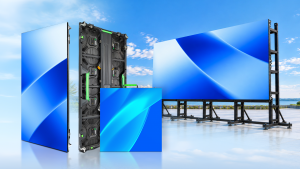
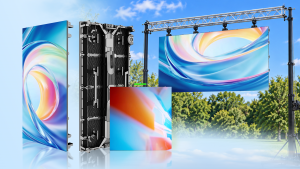
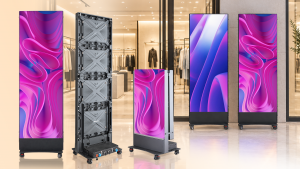
A freestanding poster, a wall-mounted display and a suspended display solve different installation problems. For a freestanding unit, review its base, clear floor area and the manufacturer’s setup requirements. For a wall or suspended installation, use approved attachment points and confirm the supporting structure. WG Welcome Glow is Arclumin’s digital LED poster series and is a useful starting point for a purpose-built portrait format.
Look at the floor or wall at the exact point where the display is expected to sit. A tall unit changes how visitors see around it and may affect where staff can walk while the screen is in service. A movable poster still needs an approved position for use, with its base or wheels set as specified. For a wall-mounted screen, ask how the installer will reach the fixings and how a technician will remove a module once the surroundings are finished.
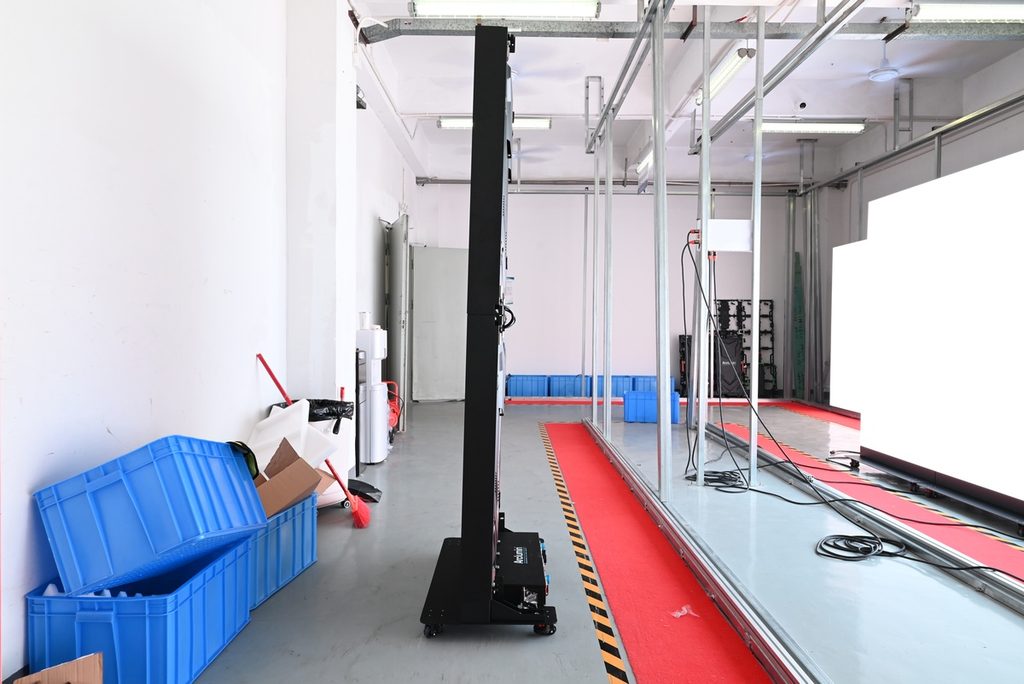
Side profile of a portrait LED poster in the workshop
Plan the image in pixels
Ask for the finished screen’s pixel width and height before sending an artwork brief. A portrait-shaped display may have a different aspect ratio from the phone video you intend to show. Fit preserves the whole picture with possible empty space, while filling the canvas can crop part of it. Compose titles and faces so they remain clear in the actual frame.
A good first test is a page with a heading, a picture and a line of small but important text near the bottom. Look at it at the intended height, because the lower area of a tall display can be harder to read from a distance or when people stand in front. For a portrait video, preview the parts of the image that would be cropped if it fills the frame. If the display has a different pixel shape from the design template, create a version specifically for that screen.
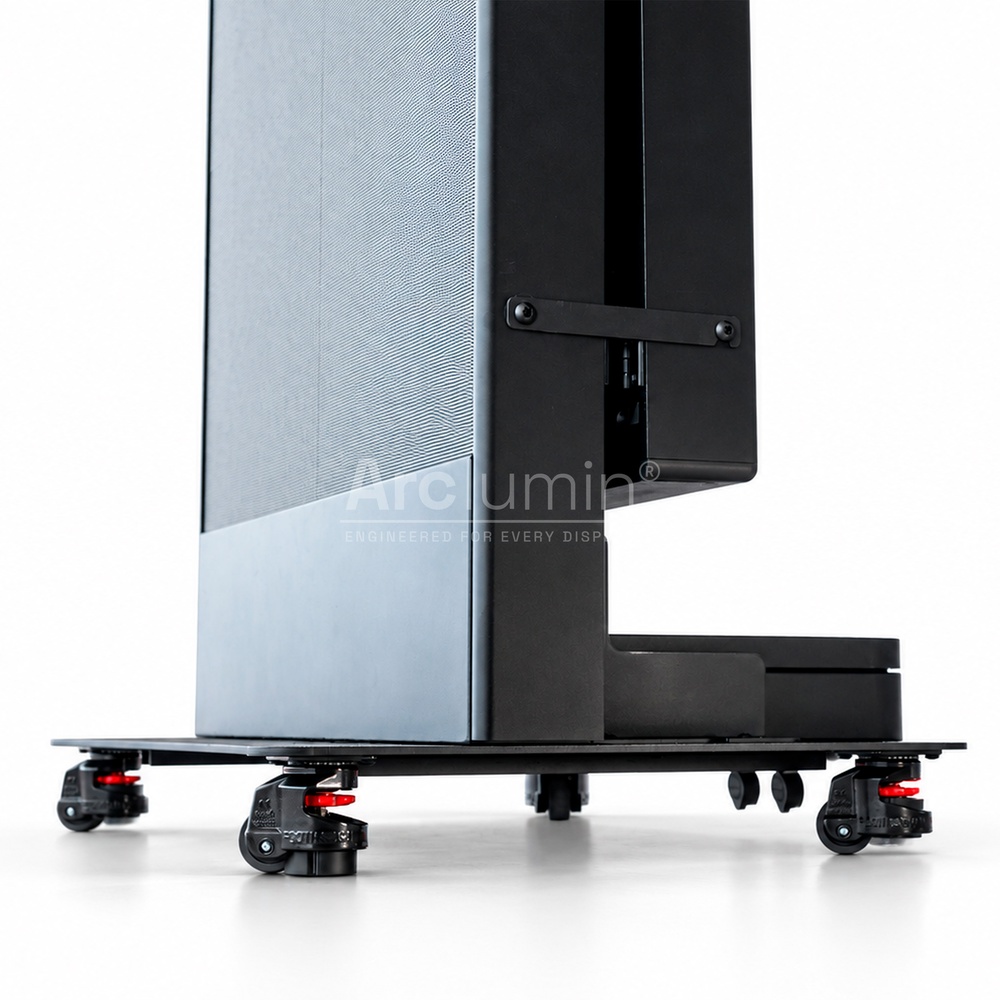
Wheeled base of a freestanding vertical LED display
Confirm mapping, power and service access
A playback image can often be rotated in software, but the screen’s pixel map still has to match the physical cabinet arrangement. Enclosures, cooling paths, cable exits and service access can also depend on orientation. Have the supplier confirm the approved layout and the configuration files before installation. See the official manuals and instructions for the matching equipment.
During installation, the team can show a test image with labels for the top, bottom, left and right. This makes it easier to spot a rotated region or a cabinet receiving the wrong portion of the image. Confirm that cables can reach their intended points without blocking access to the equipment. Keep a copy of the working configuration so a technician can recover the portrait layout after service or equipment replacement. The actual procedure depends on the chosen hardware.
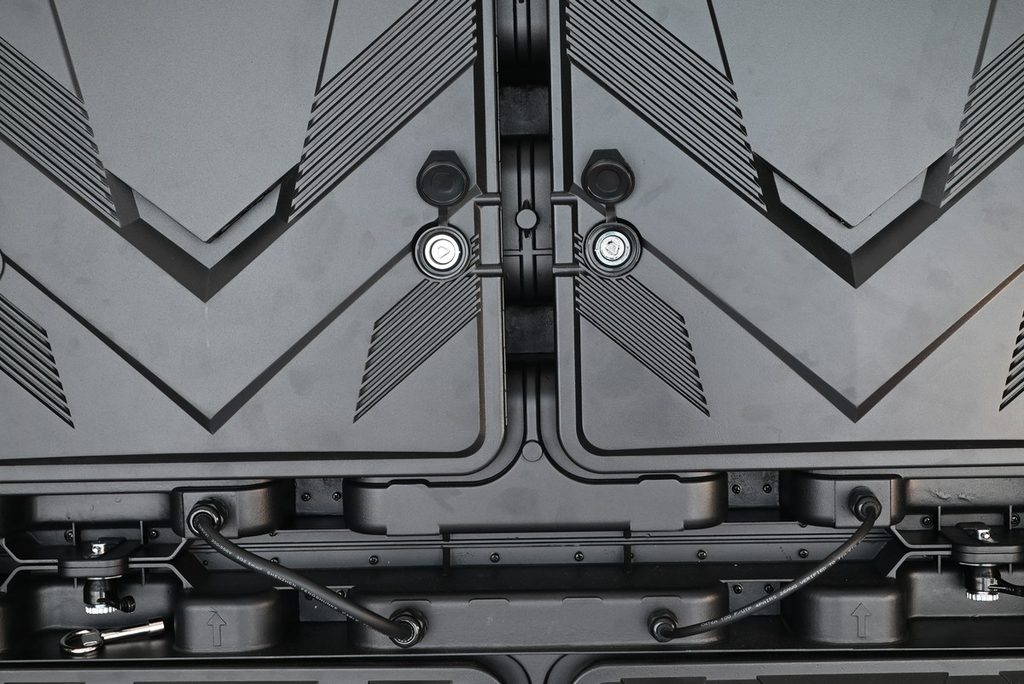
Rear support and fasteners on a digital LED poster
Use the real location to choose the format
A narrow storefront or a portrait directory may suit a tall screen because the key message can be arranged from top to bottom. Check reflections, the direction people walk, where they stop and whether a tall unit fits through access doors. Preview a full-height layout before ordering, including a simple graphic that shows the proposed mounting height and cable route.
Before you order, give the supplier a photo or drawing of the location, the height and width available, and examples of the content you plan to play. Ask for a drawing that shows the visible picture area as well as the stand or mounting frame. If the unit needs to travel between locations, check the full transport and setup route. A brief site review can uncover a tight turn or inaccessible outlet while the design can still be adjusted.
What to confirm before you proceed
For an existing screen, collect its model label, mounting drawings and original cabinet layout before asking whether it can move into portrait. Those records help the supplier identify what you already have and what hardware the proposed installation would require. An installer should check whether the room can accept the new layout and where the cables will reach.
For a new screen, ask for the service access and cable entry to be shown in the drawing before surrounding finishes are ordered. The content team can use the same drawing to place graphics at a height people can comfortably see. Include a test with the longest message or most important portrait video before sign-off.
For project inquiries, please contact your dedicated Arclumin Sales Consultant. Our team operates across time zones to support projects in Europe, North America, Africa, Australia, and markets worldwide.
WhatsApp +86 136 8235 1211 · 7×24 — we reply within 24 hours.

 SG Steady GlowIndoor Fixed LEDP1.25 – P4
 PL Pure LightIndoor Fixed LEDP1.25 – P1.86COB Fine Pitch LED→
 OG Obsidian GlowCOB Fine Pitch LEDP0.7 – P1.86View all product series →Not sure which series fits your project? Get a Recommendation →