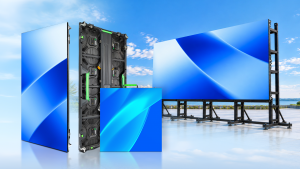
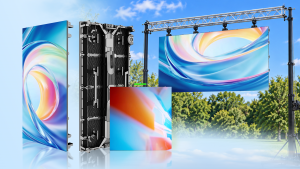
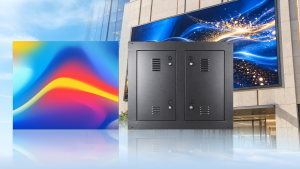
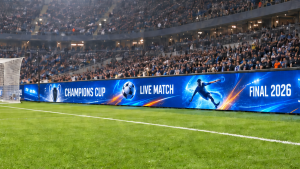
A rental LED screen is built from cabinets that crews can install, dismantle and transport between events. Learn how these screens work and what to check before booking.
A rental LED screen is a direct-view LED display built to go up for a temporary event, come down afterward and travel to the next venue. A crew joins individual cabinets to make a larger picture, then connects the display to power and a video system. The same set of compatible cabinets can serve different shows when the layout, support and equipment are planned for each venue.
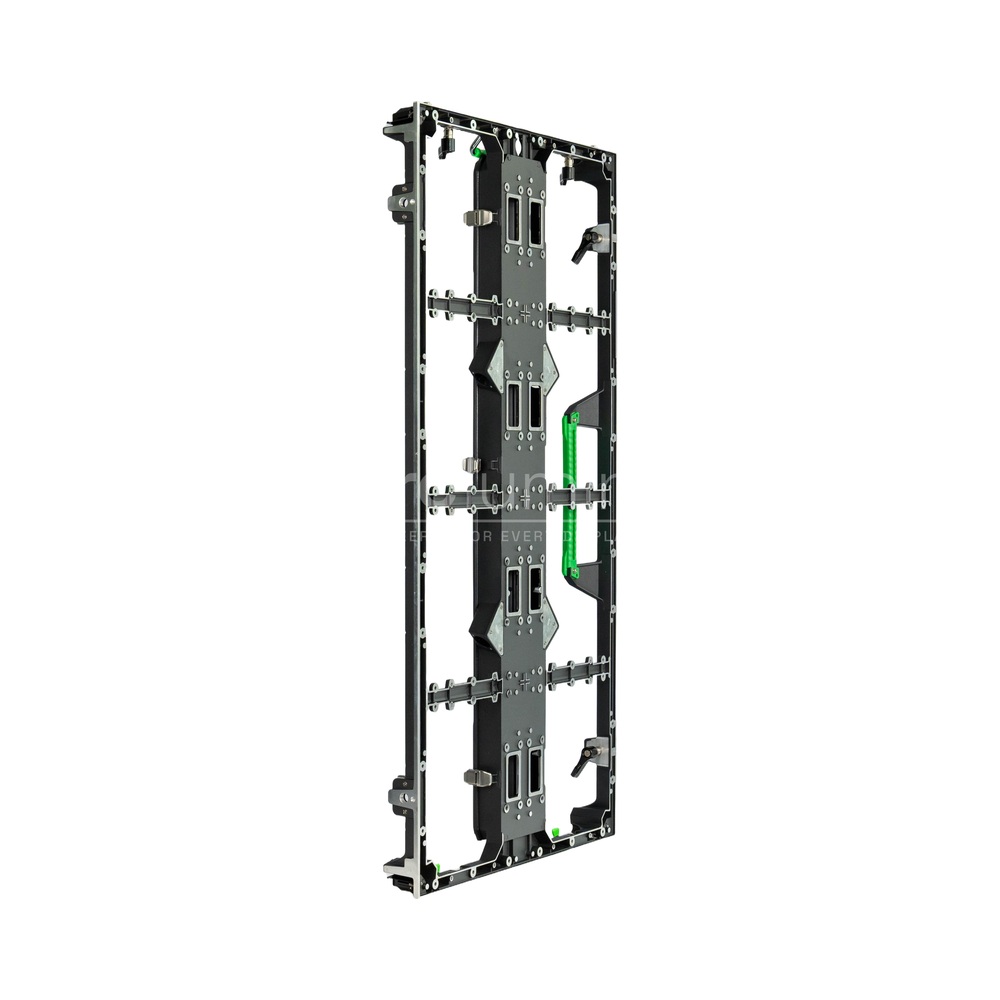
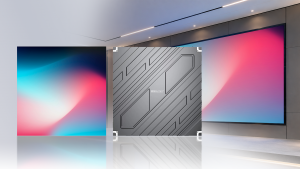
Bare TL1000 rental LED cabinet frame
What makes an LED screen a rental screen?
Here, rental describes a type of construction and a way of using the screen. An event company can own a rental LED screen and use it at many shows, or a client can hire a screen and crew for a single weekend. Cabinets in this category typically have features that help technicians handle, align and secure them repeatedly. The TL Traveling Light series is an example of Arclumin’s rental LED range.
This matters when you compare a touring wall with a permanent display in a lobby. A touring crew needs to move cabinets through loading doors, put the wall together within a scheduled window and pack it away after the show. A permanent installation may prioritize access through a particular side of the wall or integration with the building. Each design reflects how people will install, use and service it.
How cabinets become one picture
Each cabinet is a rigid section of the display with LED modules on its face. The crew follows the cabinet layout, aligns adjacent sections and engages the locks specified for that system. The locks help the cabinets join together, while a separately planned support system carries the assembled wall. Check the permitted mounting method for the selected equipment and venue before finalizing the layout.
Power lets the display run, and a separate signal path tells the pixels what to show. A system may include a video processor or controller, depending on how the show sources are connected. The technician maps the cabinet positions so that each section receives the correct part of the image. To identify the documentation for installed equipment, look up the relevant model in the Arclumin downloads center.
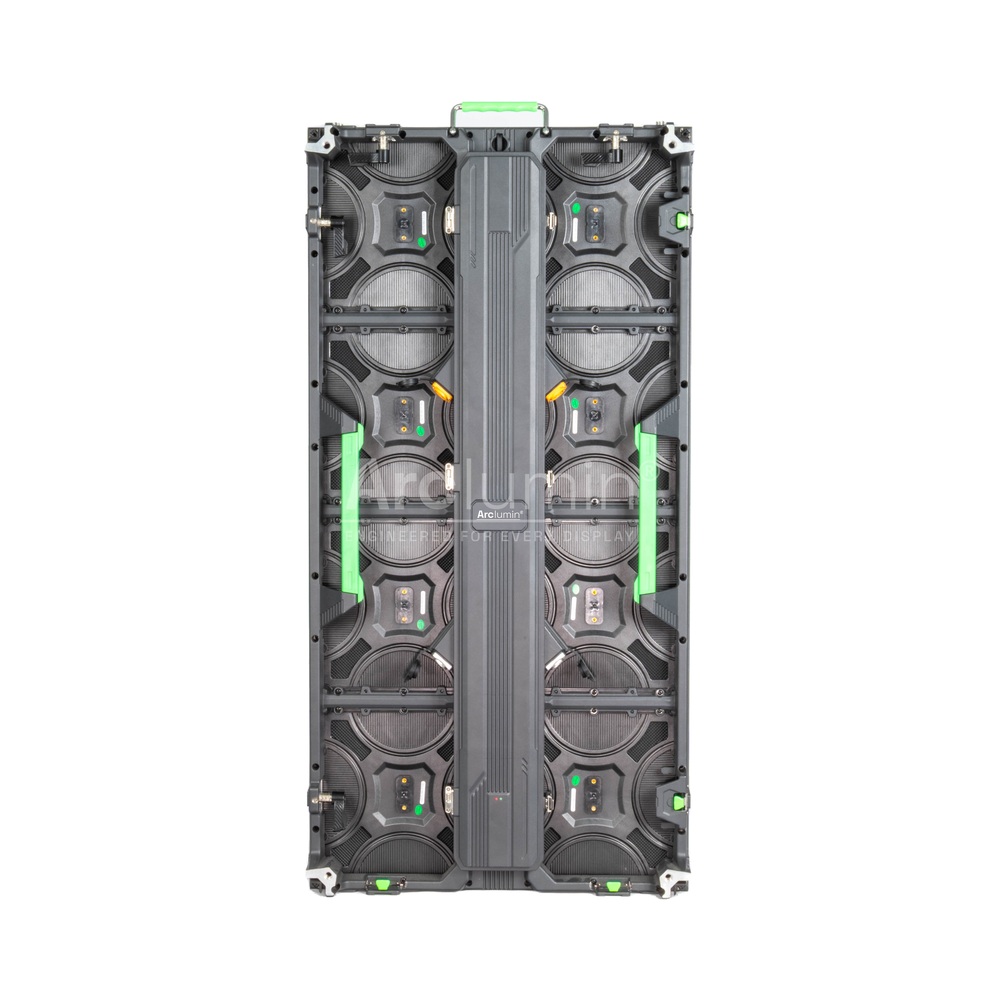
Rear of a TL1000 cabinet
What happens between shows?
A crew usually inspects the cabinets, connects and tests the wall, and checks the actual show sources before doors open. Test patterns help reveal orientation, alignment or signal problems that may be harder to notice in a moving video. A rehearsal with the actual presentations and camera feed also gives the team time to check text size, framing and what the cameras see. If several people will switch between sources during the show, rehearse those transitions and agree on who will call each change.
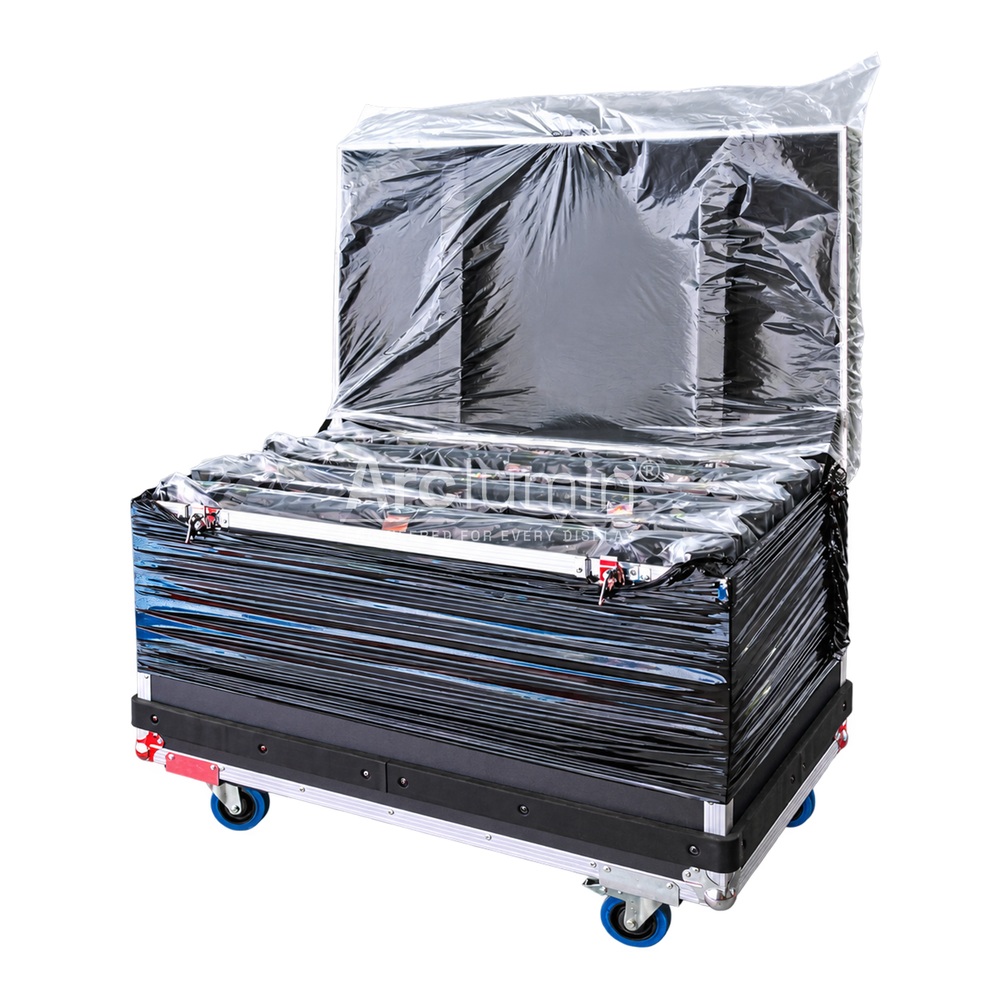
After the show, the crew follows the system’s shutdown and dismantling procedure. Cabinets are packed in fitted flight cases that help protect their faces and corners and make the equipment easier to move as a group. Case dimensions also affect truck space and access through the venue. Check loading routes, doors and lifts early, especially when a wall has to reach a stage that is far from the loading bay.
Flight case for rental LED cabinets
Where rental LED screens are useful
Concerts can use a screen for stage visuals or live camera feeds. At a conference it can show speaker names, presentation slides and remote guests, and at an exhibition it can play product footage throughout the day. The Rental & Live Events solution describes the kinds of setups these screens are designed to support.
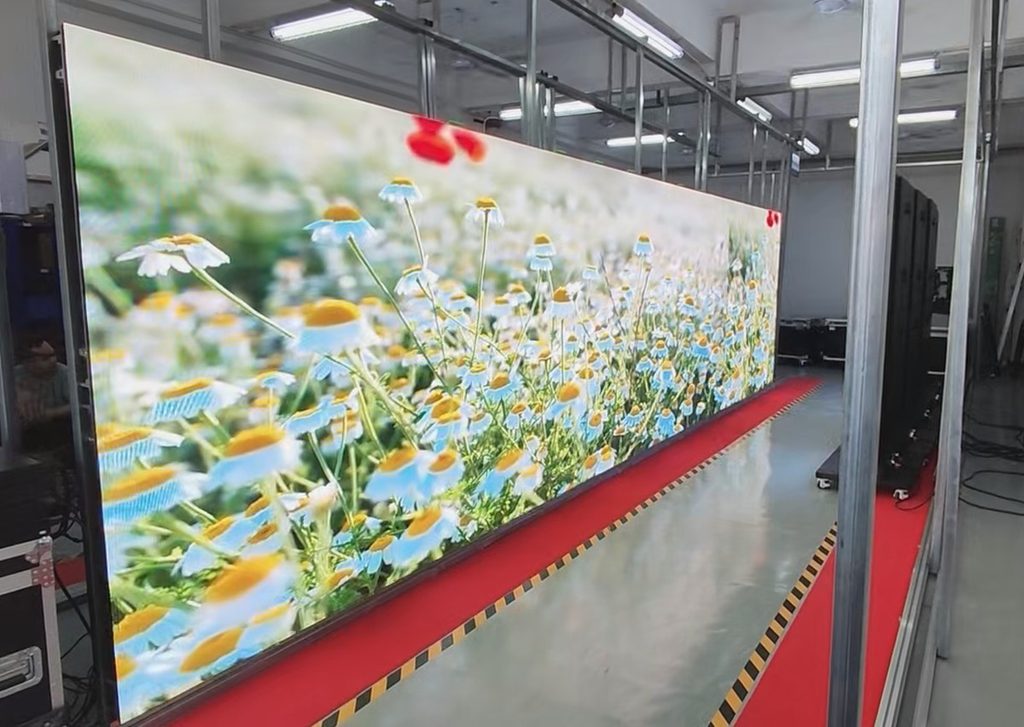
Rental LED wall powered on during factory testing
An outdoor event adds questions about daylight, exposure, power distribution and the structure that will carry the wall. Confirm the exact outdoor configuration, the venue’s requirements and the event team’s weather plan. An indoor model may suit an exhibition hall, but outdoor suitability depends on the complete setup and the manufacturer’s conditions for use. Get the event’s qualified crew to confirm the installation plan.
What to ask for before booking
Start with where the audience will stand, what they need to read and how much space the venue allows. Pixel pitch is the distance between neighboring pixel centers, so it helps describe how densely the picture is drawn. The finished wall’s pixel dimensions matter too, because those numbers tell the media team what canvas to prepare. Ask the supplier to assess your nearest viewers and real content, especially if the screen will show small text.
Ask for a cabinet layout and confirm which equipment and event services are included. A cabinet list, a working screen and an operated show can be three different scopes of supply. For an example of a documented cabinet configuration, see the TL500-3.9O rental LED project in Italy, which records the supplied outdoor cabinets and display area. Use your own venue and content requirements when specifying the wall for your event.
Before confirming a booking, share the event dates, indoor or outdoor location, planned screen dimensions, nearest audience position and any camera or playback requirements. Include the load-in and load-out windows and who will handle support, power, operation and spares. With those details, the supplier can explain what fits the venue, what the crew needs and which items belong in the quote. Discuss your event setup with Arclumin.
For project inquiries, please contact your dedicated Arclumin Sales Consultant. Our team operates across time zones to support projects in Europe, North America, Africa, Australia, and markets worldwide.
WhatsApp +86 136 8235 1211 · 7×24 — we reply within 24 hours.

 SG Steady GlowIndoor Fixed LEDP1.25 – P4
 PL Pure LightIndoor Fixed LEDP1.25 – P1.86COB Fine Pitch LED→
 OG Obsidian GlowCOB Fine Pitch LEDP0.7 – P1.86View all product series →Not sure which series fits your project? Get a Recommendation →