Window Transparent LED Screen: Buying Guide for Glass Storefront LED Displays
Published 2026-10-13 · By Arclumin Team
A transparent LED screen can add moving content while keeping a view into a storefront. Learn what to check before choosing the display and installation.
Start with the Shopfront and the Message
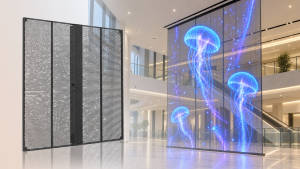
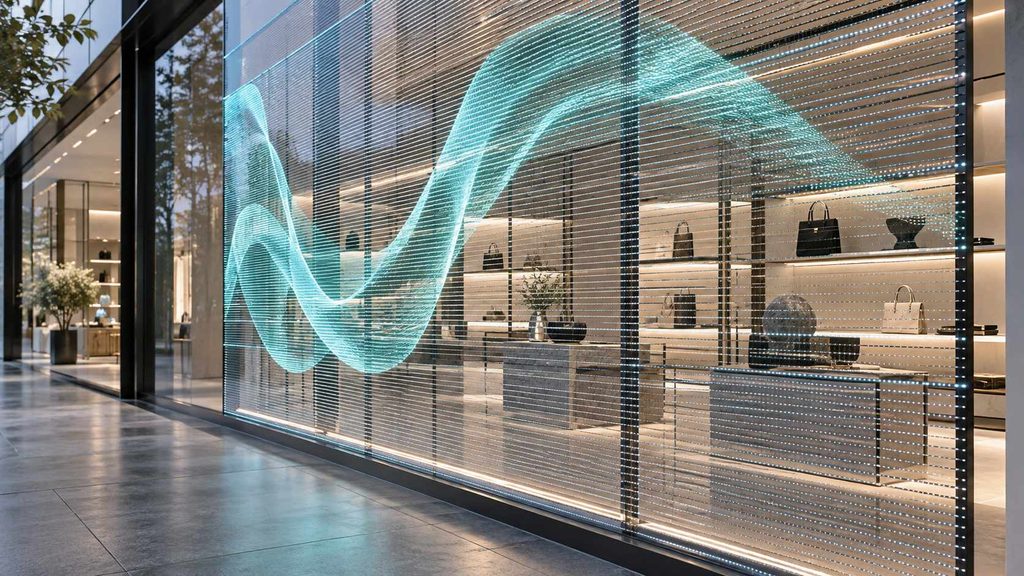
A transparent LED screen places light-emitting elements across a structure with open areas, allowing some view through the display. It can suit a glass storefront when moving promotional content and visibility into the shop are both important. It is not an invisible sheet of glass, and the result depends on the screen structure, content, lighting, and viewing position.
Before comparing quotations, decide what a passer-by should notice and from where. A large brand graphic viewed across a street has different requirements from a price message read close to the window. Define the purpose first so that brightness, pixel pitch, and transparency can be assessed against a real task.
Measure the Glass and the Viewing Positions
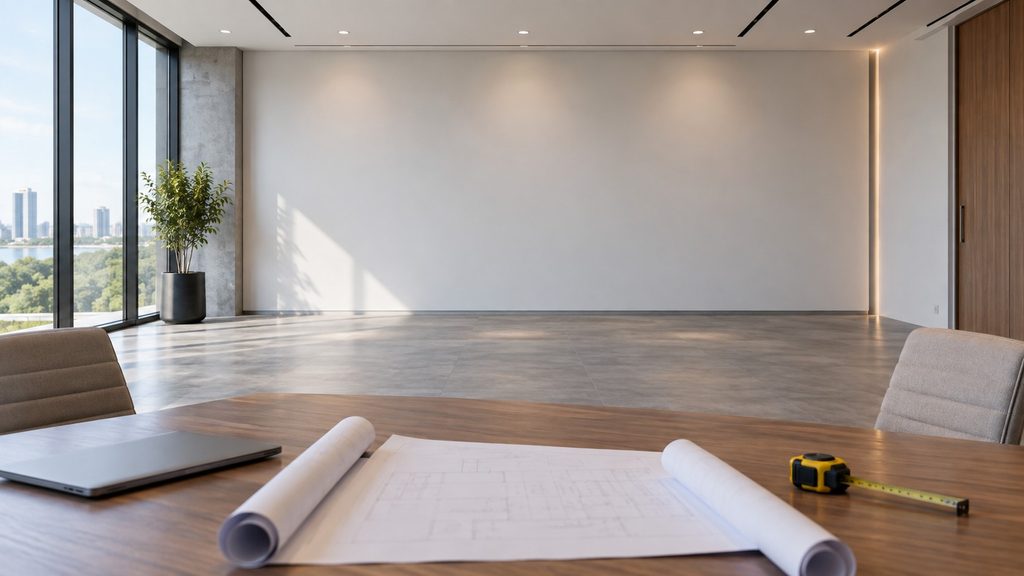
Record the available opening, mullions, door movement, interior fittings, and possible mounting locations. Measure the nearest and typical viewing distances rather than relying only on the pavement width. Pedestrians may approach from an angle, stop beside the entrance, or see the display through reflections from another building.
Also inspect the glass itself, including tint, coatings, existing graphics, and the way daylight falls across it. These conditions can affect the image seen outside and the appearance of the store from inside. A proposal based only on the overall window dimensions can miss obstructions that cut through the content or limit installation access.
Photograph the intended area from several customer positions and at different times of day. Use those observations to discuss a sample or mock-up with the supplier. A controlled showroom demonstration is helpful, but it cannot fully reproduce your window, surrounding buildings, and local lighting.
Balance Transparency and Readability
Transparency is useful only if the intended message remains readable and the shop still looks appropriate. Ask how the stated transparency figure is defined and what structure it includes. Cabinet frames, supports, cables, and the building’s own mullions can affect the installed view even when they are not obvious in a close-up module image.
Pixel spacing influences the available image detail, while the physical arrangement of the transparent structure affects the visible gaps. Some products use different horizontal and vertical spacing, so do not assume a single pitch label describes a square pixel grid. Request the actual pixel dimensions of the proposed complete screen and test your smallest important text on that canvas.
The TA Thin Air family is a relevant starting point for transparent LED applications. Select the exact model and configuration for the site rather than treating a series-level headline as a promise for every version. The quotation should identify the dimensions, resolution, and installation arrangement being supplied.
Check Daylight and Night-Time Operation
Daylight behind glass can reduce apparent contrast, and reflections may remain visible even when the screen is bright. Ask for a demonstration in conditions close to the intended installation where possible. Increasing brightness alone cannot correct poor content design, strong reflections, or a message that is too small for the viewing distance.
Night-time needs a separate review because an output suitable for daytime can be uncomfortable after dark. Agree how brightness will be adjusted and who controls the schedule. Any automatic control should be checked in the installed setting, with attention to neighbouring premises, local requirements, and the visibility of the shop interior.
Design Content for an Open Background
On a transparent LED display, a black area normally means the corresponding LEDs emit little or no light; it does not create an opaque black backing. The scene behind the screen remains part of what the viewer sees. Use that characteristic deliberately when selecting backgrounds and arranging the main message.
Simple shapes, clear contrast, generous text, and limited information usually make a useful starting point for testing. Avoid judging readability from a laptop preview alone, because that preview does not include glass reflections or the store interior. Check both still images and motion at the planned speed from the real audience positions.
Plan the Mounting and Future Service
Confirm how loads will be supported and how the chosen installation interacts with the facade. Do not assume an existing glass panel is a suitable structural support. The responsible installer or designer should approve the mounting method and account for access, clearances, cable routes, and the building’s requirements.
Discuss how an individual module or power component can be reached later. A thin-looking installation may still need working space and a practical maintenance route. For a transparent storefront solution, ask for drawings that show both the finished appearance and the access needed to keep it working.
Check the intended indoor or outdoor exposure separately from the fact that the screen is near a window. A unit installed behind glass is not automatically protected from every temperature or moisture issue. Use the selected model’s environmental limits and the actual conditions around the cabinet and power equipment.
Compare the Complete Offer and Acceptance Test
Compare quotations on the same scope: display, support structure, control equipment, power and data work, content preparation, installation, and service arrangements. Confirm which items are included and which belong to the building contractor or store team. A lower screen-only price may not represent a lower installed cost.
Agree acceptance using the actual messages, customer viewing positions, daytime and evening settings, and access requirements. Keep the approved content dimensions and operating settings with the handover records. This gives future staff a clear starting point when promotions or store layouts change.
For project inquiries, please contact your dedicated Arclumin Sales Consultant. Our team operates across time zones to support projects in Europe, North America, Africa, Australia, and markets worldwide.
WhatsApp +86 136 8235 1211 · 7×24 — we reply within 24 hours.

 SG Steady GlowIndoor Fixed LEDP1.25 – P4
 PL Pure LightIndoor Fixed LEDP1.25 – P1.86COB Fine Pitch LED→
 OG Obsidian GlowCOB Fine Pitch LEDP0.7 – P1.86View all product series →Not sure which series fits your project? Get a Recommendation →