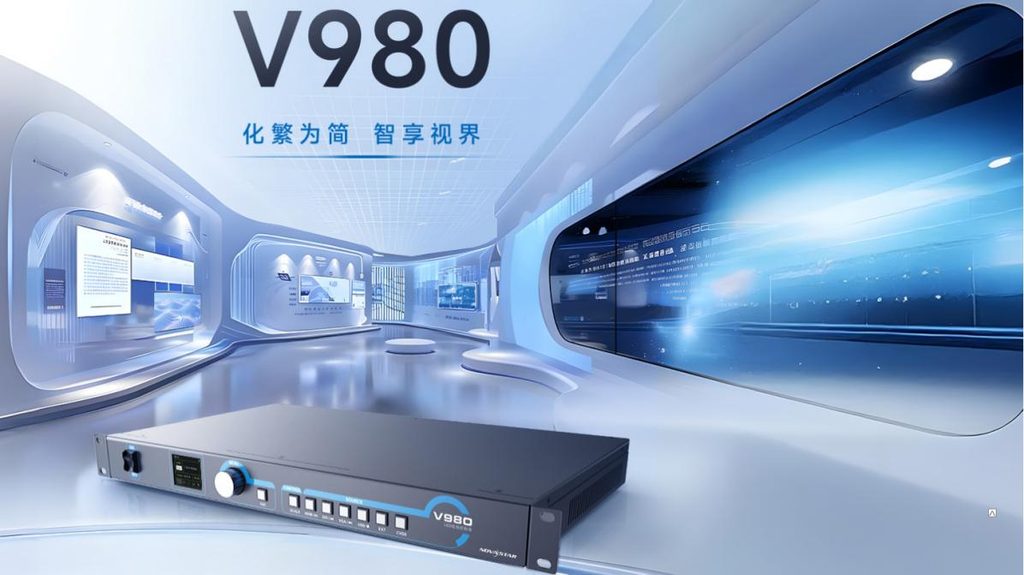
How is the Nova V980? Why Does an LED Display Screen Need a Good Video Controller?
Published 2026-08-14 · Updated 2026-09-11 · By Arclumin Team
The Novastar V980 processes video signals for LED displays. Learn what it does, why LED screens need video controllers, suitable applications and key specifications.
The Role, Selection, and Key Points of Using an LED Display Screen Video Controller
When choosing an LED display screen, many people first look at the LED chips, modules and pixel pitch. For example, P2.5 or P3, which one should they choose? What kind of LED chips should they use? How well is the module made? These are certainly important.
However, there is another device that cannot be ignored: the video controller. This guide explains what the Novastar V980 does, why LED screens need video controllers, which displays are suitable and what key specifications to look for.
What Does the Novastar V980 Do?
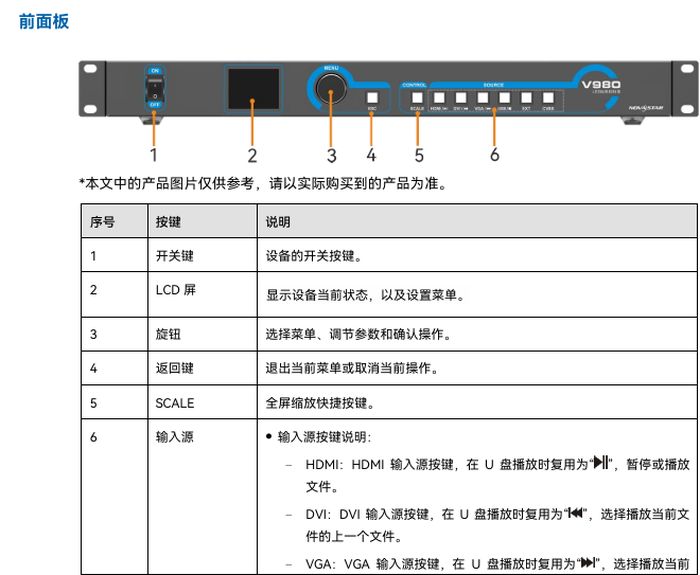
The LED display screen itself is primarily responsible for displaying the image, while the video controller is responsible for processing the video signals from the front end and outputting them in a way that the LED screen can recognize. Therefore, it is not the device that directly determines whether the LED beads light up or not, but it directly affects how the image is displayed, how the signals are connected and how the screen is controlled.
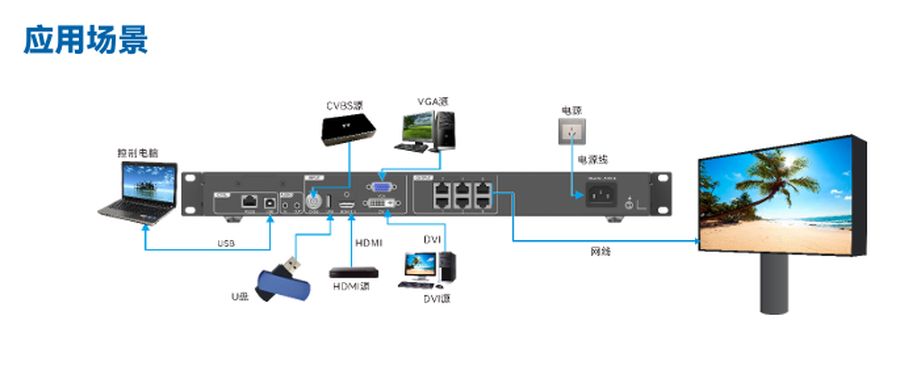
In practical terms, the video controller acts as the bridge between your content source (such as a computer, media player or camera) and the LED display. It takes the incoming video signal, processes it according to the screen resolution and configuration, and then distributes it to the receiving cards on the LED modules. Without a properly configured video controller, even a high-quality LED screen may display distorted colours, incorrect aspect ratios or signal dropouts.
Why Do LED Screens Need Video Controllers?
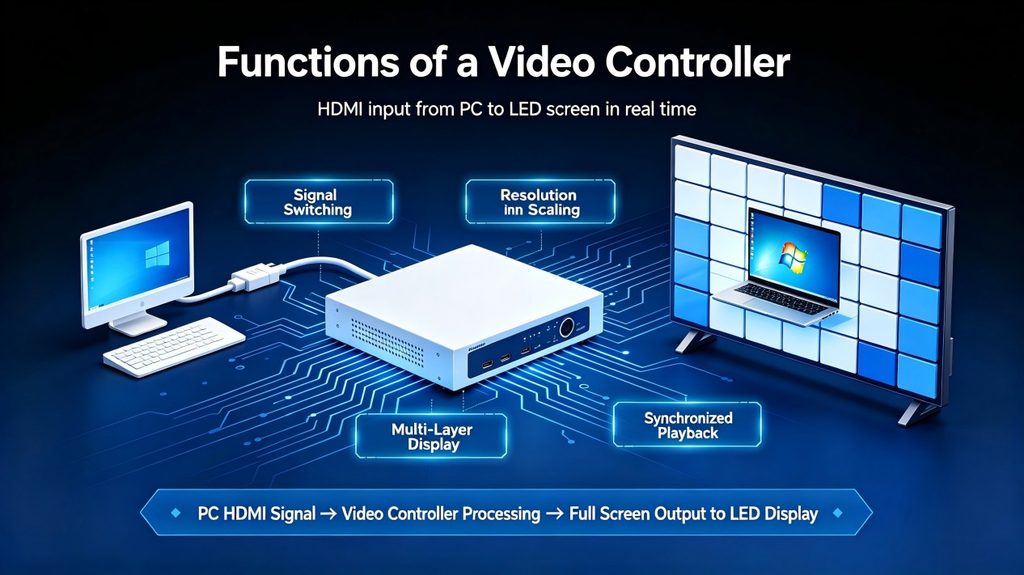
The video controller is used for signal switching, resolution scaling, multi-layer display, synchronous playback and connecting to HDMI to display the computer screen in real time. These functions are essential for any professional LED installation because the content source and the LED screen almost never have the same native resolution.
For example, a computer may output at 1920 by 1080 pixels, while an LED wall might be configured at 2560 by 1440 pixels or an irregular size. The video controller scales and positions the image correctly. It also allows multiple content sources to be displayed simultaneously in different windows or layers, which is particularly useful in control rooms, showrooms and event spaces.
Which LED Displays Are Suitable for the Novastar V980?
The V980 is more suitable for fixed installation projects in engineering projects. Typical applications include:
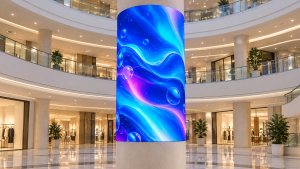
– Shopping mall LED screens
– Conference room LED display screens
– LED screens in company showrooms
In these fixed installation scenarios, the screen is typically installed once and then operated for years with minimal physical changes. The V980 supports simple screen configuration and window adjustment, making it easy to set up and maintain. It also supports the creation and saving of up to six user scenarios as templates, which can be directly called for convenient use in different operating modes.
Key Characteristics of the Novastar V980
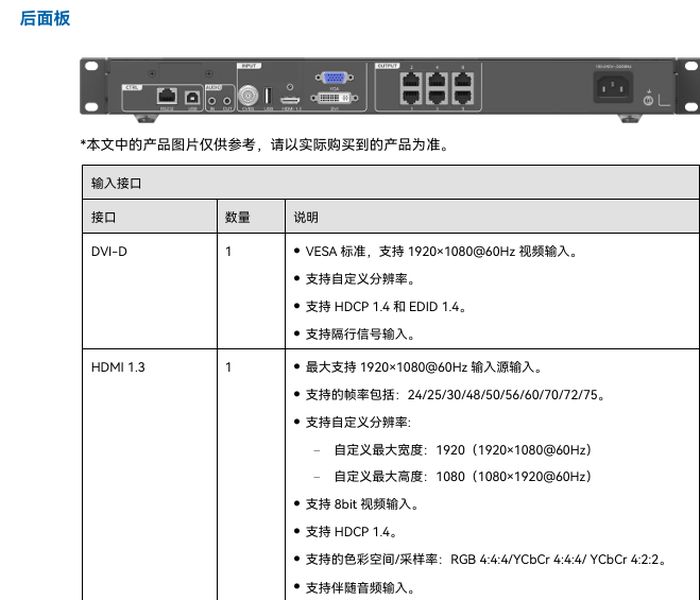
The Novastar V980 offers a range of features that make it suitable for medium to large fixed installation projects. Here are the key specifications and capabilities:
– 3.9 million pixel load capacity, sufficient for most medium to large LED walls.
– 6-channel gigabit network port output for distributing signals to receiving cards.
– Maximum width of 3840 pixels and maximum height of 1920 pixels per output.
– Simple screen configuration through an intuitive software interface.
– Window adjustment for positioning and resizing content on the screen.
– Supports external independent audio for synchronized sound output.
– Input resolution adjustment to match various source formats.
– Supports the creation and saving of up to 6 user scenarios as templates for quick switching.
Key Takeaways for Your Purchase
For an LED display screen, the final effect is never solely determined by the screen itself. The LED chips determine the basic display effect, the modules and driver system affect stability, and the video control system is responsible for delivering the video content from the front end to the LED screen effectively. For shopping malls, conference rooms, exhibition halls or other fixed installation projects, the video controller should also be considered in the overall solution when selecting an LED display screen.
The Novastar V980 is not a necessary device for all LED projects, but it is certainly a worthwhile option for larger projects with requirements for control and signal processing. When selecting a video controller, consider the total pixel load of your screen, the number and type of input sources you need, and whether you require features such as multi-layer display, scenario presets or external audio.
Need help selecting the right video controller for your LED display project? Tell us your screen size, pixel pitch and content sources, and our team will recommend the ideal configuration. Contact us today to get started.
For project inquiries, please contact your dedicated Arclumin Sales Consultant. Our team operates across time zones to support projects in Europe, North America, Africa, Australia, and markets worldwide.
WhatsApp +86 136 8235 1211 · 7×24 — we reply within 24 hours.

 SG Steady GlowIndoor Fixed LEDP1.25 – P4
 PL Pure LightIndoor Fixed LEDP1.25 – P1.86COB Fine Pitch LED→
 OG Obsidian GlowCOB Fine Pitch LEDP0.7 – P1.86View all product series →Not sure which series fits your project? Get a Recommendation →