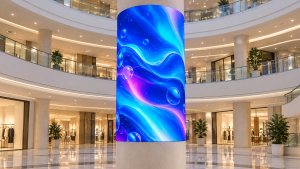
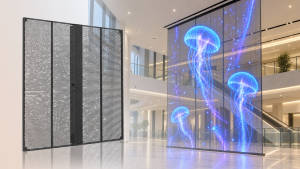
Color uniformity is critical for professional LED displays. Even slight variations between cabinets or modules create visible seams that distract viewers and reduce perceived quality.
Understanding Calibration
LED calibration adjusts the brightness and color output of each LED to match reference standards. This compensates for manufacturing variations and ensures consistent appearance across the entire display.
Calibration Process
Professional calibration uses specialized cameras and software to measure each LED’s output. The system generates correction coefficients that are stored in the LED receiver cards, adjusting output in real-time.
When to Calibrate
New installations always require calibration. Recalibration is needed when replacing modules, after significant temperature changes, or when visible color shifts appear. Annual calibration maintains optimal performance.

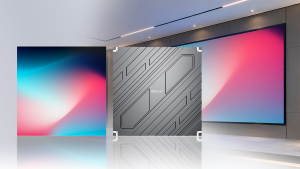 SG Steady GlowIndoor Fixed LEDP1.25 – P4
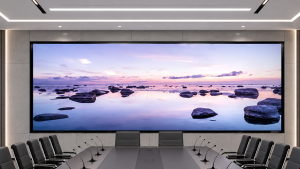 PL Pure LightIndoor Fixed LEDP1.25 – P1.86COB Fine Pitch LED→
 OG Obsidian GlowCOB Fine Pitch LEDP0.7 – P1.86View all product series →Not sure which series fits your project? Get a Recommendation →